
Signs Your Pool Surface Needs Refinishing
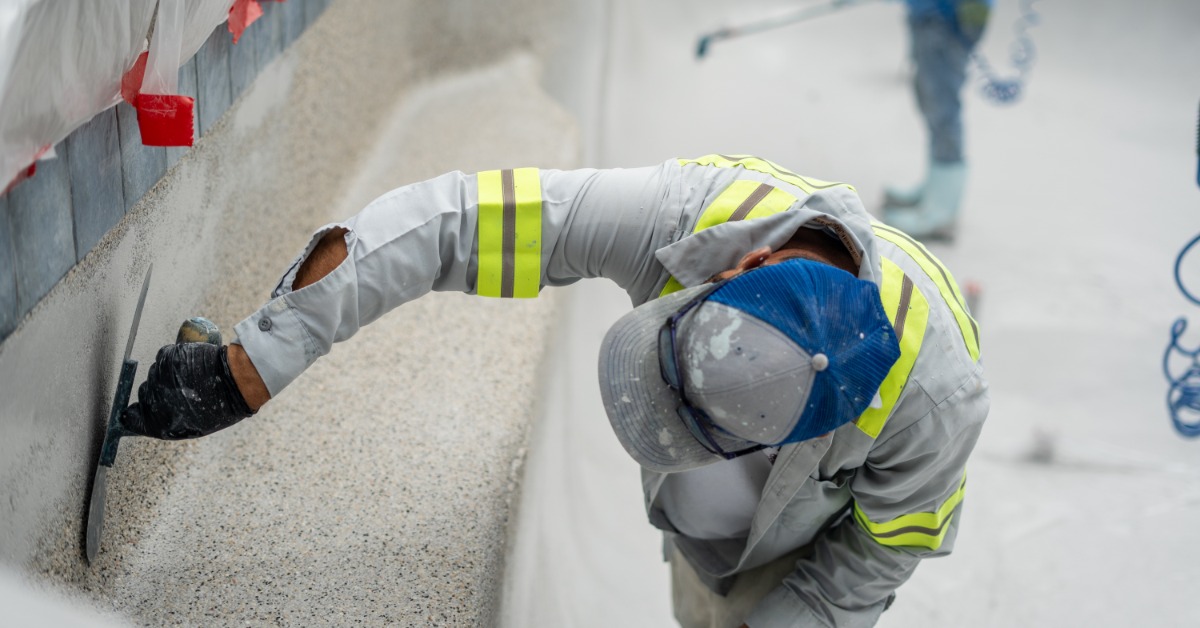
A well-maintained pool should look smooth, clean, and inviting every time you use it. Over time, even the best-built pools begin to show signs of wear that affect both appearance and performance. Homeowners who recognize these early indicators can take action before minor issues turn into costly repairs.
Understanding the signs your pool surface needs refinishing allows you to protect your investment and keep your backyard experience enjoyable. Surface damage does not fix itself, and delaying repairs often leads to more extensive restoration work.
Rough Texture Signals Surface Breakdown
A healthy pool surface should feel smooth underfoot. When plaster or finish materials begin to deteriorate, the texture changes quickly and becomes abrasive. This means swimmers may notice discomfort on their feet or hands.
Surface roughness develops as the top layer erodes and exposes underlying aggregate or weakened material. Ignoring this issue can lead to further structural wear and increased irritation during use. Consistent roughness across large areas of the pool strongly indicates the need for refinishing rather than spot repairs.
Staining and Discoloration Point to Deeper Issues
Surface stains do more than affect a pool’s appearance. While some discoloration comes from minerals or debris, persistent staining often signals that the finish has become porous.
A compromised pool surface absorbs contaminants more easily, making cleaning less effective over time. You may notice dark patches, streaks, or uneven coloring that does not respond to standard maintenance. These visual changes suggest the protective layer has worn down, and refinishing can restore both the look and integrity of the pool.
Cracks and Chips Indicate Structural Wear
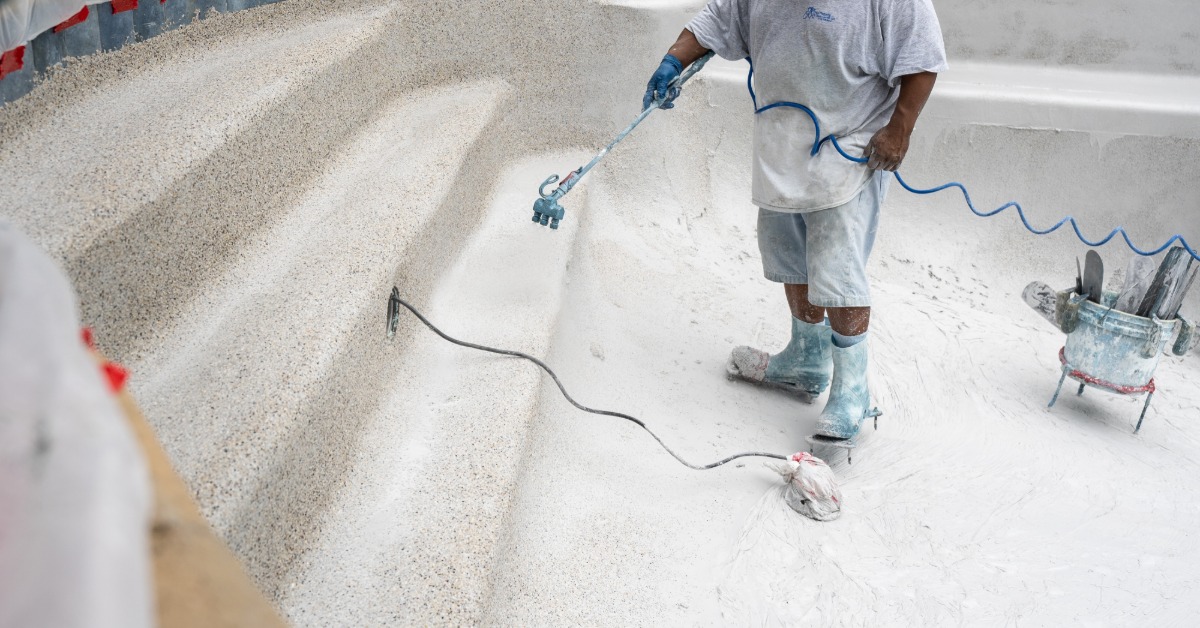
Small cracks or chips may seem minor at first, but they often expand when left untreated. Temperature changes, ground movement, and water pressure all contribute to this damage.
Surface cracks allow water to penetrate beneath the finish, which can lead to more significant structural concerns. Chips also expose vulnerable areas that deteriorate faster than intact surfaces. Addressing these problems early with professional pool refinishing prevents escalation and protects the pool shell.
Persistent Algae Growth Suggests Surface Porosity
If algae returns quickly after cleaning, the issue may not involve water chemistry alone. A worn pool surface contains tiny pockets where algae can anchor and grow.
Even with proper maintenance, these porous areas make it difficult to keep the pool consistently clean, and you may find yourself increasing chemical usage without long-term results. This pattern often signals that the surface no longer provides the smooth barrier needed to resist algae buildup.
Water Loss Can Stem From Surface Damage
Leaks do not always originate from pool plumbing or equipment. Surface deterioration can contribute to gradual water loss, especially when cracks or worn areas allow seepage.
While evaporation accounts for some water reduction, noticeable or frequent pool refilling points to a deeper issue. Monitoring water levels alongside visible surface damage can help you identify the cause, and refinishing restores the seal and reduces the risk of ongoing water loss.
Fading Finishes Diminish Visual Appeal
A pool should enhance your outdoor space, not detract from it. Over time, exposure to sunlight and chemicals causes pool finishes to fade and lose their original vibrancy.
Color inconsistencies and dull surfaces make even a clean pool look aged. This change often occurs gradually, so you may not notice until the difference becomes significant. Refinishing revitalizes the pool’s appearance and aligns it with the rest of your outdoor design.
Aging Surfaces Require Proactive Attention
Every pool surface has a lifespan. Plaster, pebble, and other finishes wear down at different rates, but none last indefinitely.
If your pool’s surface approaches or exceeds its expected lifespan, you should evaluate its condition carefully. Signs of wear often appear together rather than in isolation, making it easier to identify when action becomes necessary.
Common indicators include:
- Increased maintenance efforts to maintain water clarity.
- Visible wear across multiple areas of the pool.
- Reduced comfort during use due to texture changes.
- Recurring cosmetic issues despite regular cleaning.
Recognizing these patterns allows you to plan refinishing before pool conditions worsen.
Seasonal Changes Can Accelerate Surface Wear
Weather patterns in North Texas can place added stress on pool finishes. High summer temperatures increase evaporation and chemical demand, while cooler months introduce contraction that affects pool surface stability.
Frequent shifts between hot and cool conditions can intensify minor imperfections, especially in older pools. Rainfall can also alter water chemistry, which may contribute to faster material breakdown when not properly balanced. Paying close attention to your pool throughout the year helps you identify early warning signs that may otherwise go unnoticed.
Outdated Finishes Limit Modern Design Potential
Older pool surfaces often lack the visual depth and durability found in newer materials. Advancements in finishes offer improved color retention, texture options, and resistance to staining.
Refinishing provides an opportunity to upgrade your pool’s appearance while improving performance. You can select a finish that complements surrounding features like the patio, landscaping, and outdoor living area. A refreshed surface can transform the entire backyard and create a more cohesive environment.
Professional Refinishing Restores Function and Beauty
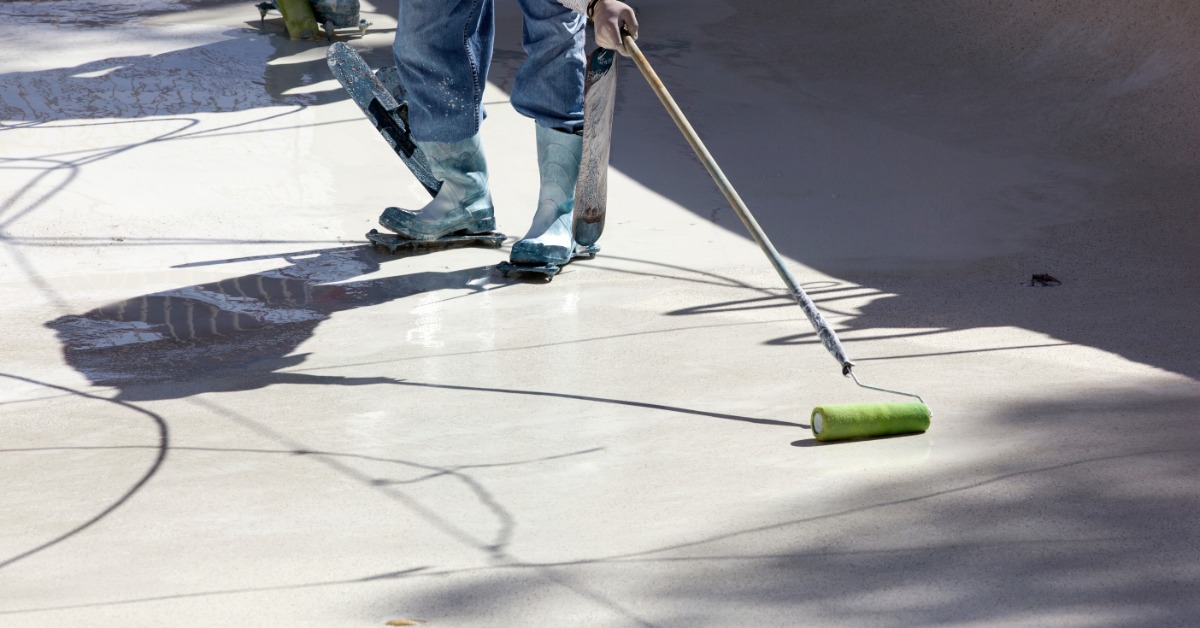
When multiple warning signs appear, professional pool plastering services provide a comprehensive solution. Refinishing replaces the worn surface, improves durability, and enhances the overall look of your pool.
A refreshed surface also supports better water balance and reduces the need for excessive chemicals. This improvement makes ongoing maintenance more manageable and cost-effective. Choosing to work with experienced professionals ensures proper preparation, application, and finishing, which directly impacts long-term pool performance.
Timely Refinishing Protects Your Investment
Delaying necessary pool updates often leads to more extensive repairs. Surface deterioration affects more than aesthetics, as it influences structural integrity and water efficiency.
By addressing the signs your pool surface needs refinishing early, you can avoid larger renovation costs and extend the life of your pool. Regular inspections and prompt action make a measurable difference in long-term value.
Partner With Pulliam Pools for Expert Care
Homeowners in the Fort Worth area trust Pulliam Pools for comprehensive pool renovation and maintenance solutions. With a legacy dating back over a century, our team delivers expert craftsmanship and tailored service for every project.
Whether your pool needs resurfacing or a full upgrade, Pulliam Pools provides guidance from assessment through project completion. Our professionals focus on restoring both function and visual appeal while aligning the pool’s design with your outdoor space.