
Winter Pool Care Mistakes Texas Homeowners Make
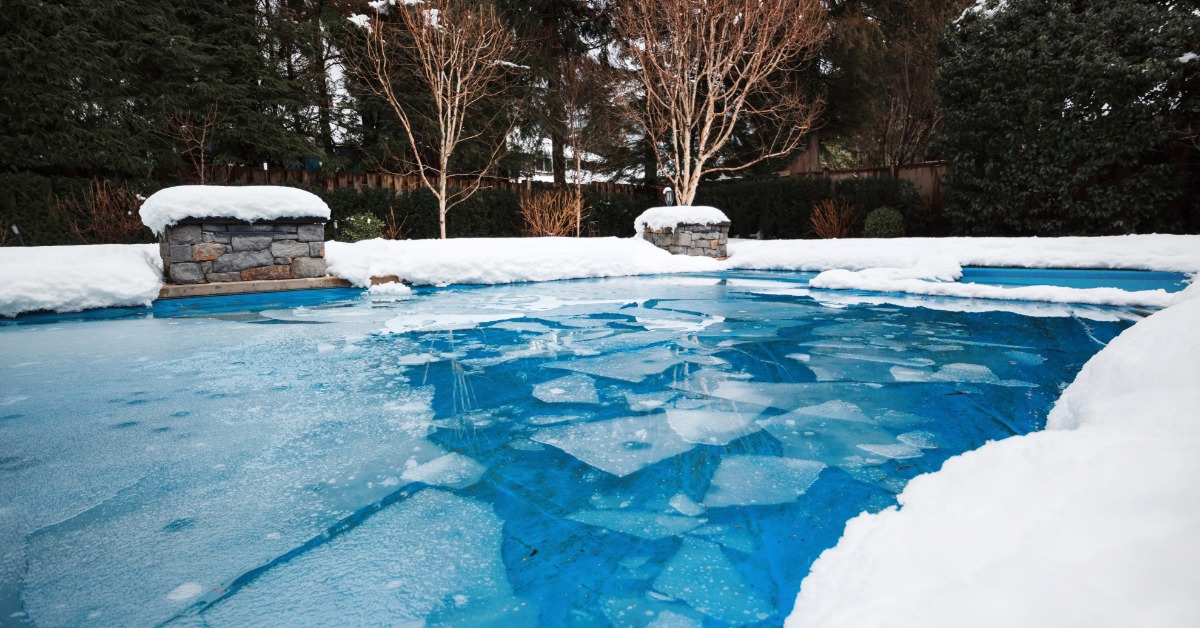
Texas winters often bring mild afternoons followed by sudden temperature drops that create challenges for swimming pool owners. Although homeowners can enjoy their pools throughout much of the year, colder weather requires adjustments to regular maintenance routines, as even a brief freeze can threaten exposed plumbing or damage equipment when homeowners overlook seasonal precautions. Understanding winter pool care mistakes Texas homeowners make allows residents to protect their investments while keeping their pools ready for warmer weather.
Assuming Mild Texas Winters Eliminate Freeze Risks
North Texas temperatures frequently fluctuate throughout winter, making it difficult to predict when freezing conditions might develop. Homeowners sometimes assume occasional cold weather cannot damage their swimming pools because temperatures usually rise quickly. However, water inside exposed plumbing can freeze during sustained cold periods, potentially causing pipes or equipment components to crack.
Paying attention to overnight forecasts becomes especially important when temperatures approach freezing. Homeowners should evaluate vulnerable components before severe weather arrives rather than waiting until temperatures drop. Pipes above ground and equipment exposed to cold air deserve particular attention because they lack the insulation that surrounding soil provides.
Winter preparation should account for sudden weather changes rather than average seasonal temperatures. Establishing a cold-weather maintenance routine gives homeowners more time to address potential problems before freezing conditions threaten their pool systems.
Neglecting Pool Equipment Freeze Protection Settings
Modern swimming pools often feature automated systems that activate circulation equipment when temperatures approach freezing. However, homeowners sometimes assume these systems operate correctly without checking their settings or understanding how they function. An improperly configured controller or malfunctioning temperature sensor may leave equipment vulnerable during cold weather.
Reliable pool equipment freeze protection requires homeowners to understand their system’s capabilities and limitations. Freeze protection controls typically activate designated pumps according to temperature readings, but individual configurations vary. Homeowners should confirm that their equipment responds appropriately and that all necessary water circuits receive protection.
Automation also depends on functioning electrical components and available power. A system cannot circulate water during an outage, regardless of its programmed settings. Before winter arrives, homeowners should ask a qualified pool professional to inspect unfamiliar controls or questionable equipment behavior.
Turning Off Pool Pumps During Freezing Weather
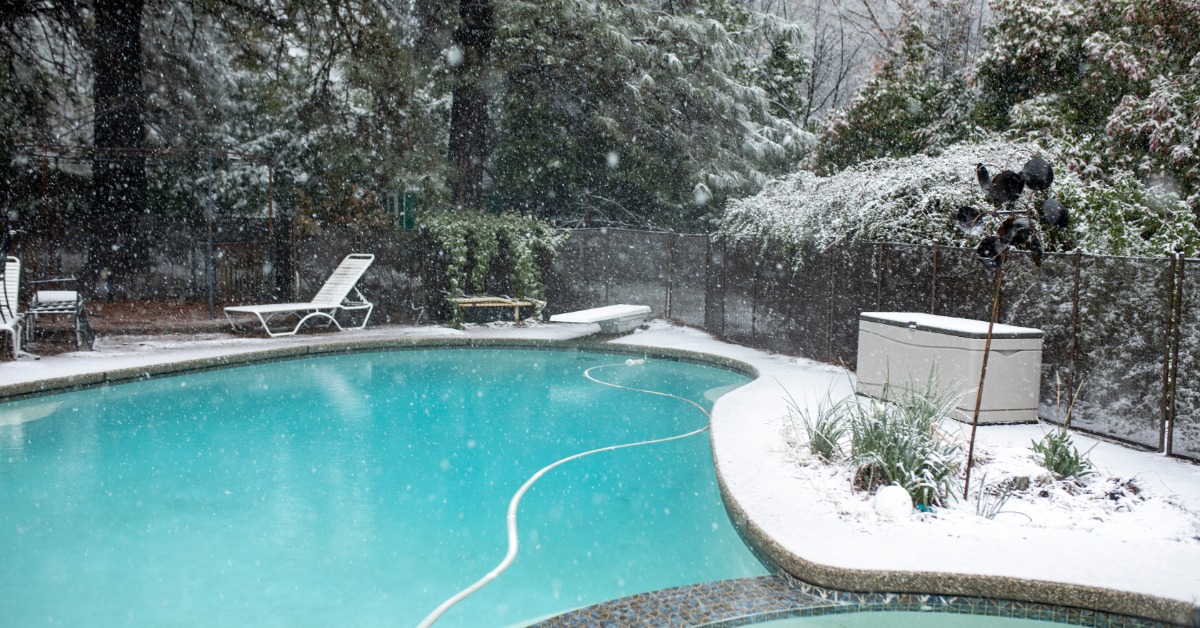
Reducing pool pump operation during cooler months may seem like a practical way to manage energy consumption. However, shutting down circulation during freezing conditions can allow standing water inside vulnerable pipes to freeze. Homeowners who follow the same pump schedule throughout winter without considering temperature changes may expose their equipment to unnecessary risks.
Circulating water generally reduces freezing risks compared with leaving water stagnant, although movement alone cannot guarantee protection during extreme conditions. When temperatures remain below freezing, homeowners should follow equipment-specific recommendations for continuous circulation and winter operation.
Homeowners should also avoid assuming that restarting a frozen pump will solve the problem. If ice develops inside equipment, operating the system could cause additional damage. A qualified technician can recommend appropriate steps based on the equipment’s condition.
Ignoring Winter Water Chemistry Changes
Cooler temperatures generally slow algae growth, leading some homeowners to believe their pools require little chemical attention during winter. However, water chemistry continues changing even when swimming activity decreases. Rainfall and normal chemical consumption can influence water balance throughout the season.
Improper chemical levels may contribute to surface deterioration or equipment corrosion. Maintaining appropriate pH and sanitizer concentrations remains important regardless of how frequently homeowners use their pools. Water temperature also affects chemical behavior, making regular testing valuable during colder months.
Homeowners should adjust treatment according to actual test results instead of following summer dosing habits automatically since adding unnecessary chemicals can create imbalances that require additional corrections. Professional water testing offers another way to evaluate conditions when readings appear inconsistent.
Allowing Leaves and Debris To Accumulate
Falling leaves create maintenance challenges for Texas pools long after summer swimming activities end. Wind can carry organic material into the water, where debris collects along steps or settles near drains. Homeowners who postpone cleaning until spring may encounter staining and additional maintenance demands.
Leaves that remain underwater can release organic compounds as they decompose. Certain materials may discolor pool finishes, especially when debris rests against the same surface for extended periods. Regular removal reduces prolonged contact and keeps the pool looking cleaner.
Skimmer baskets also require attention because accumulated debris restricts water movement. When baskets become overloaded, circulation efficiency may decline and equipment might experience strain. Homeowners should inspect their pools after windy weather and remove visible debris promptly.
Overlooking Pool Water Levels During Winter
Seasonal rainfall and evaporation can change swimming pool water levels, yet many homeowners monitor these conditions less frequently during winter. Excessively low water levels allow skimmers to draw air into the circulation system, potentially affecting pump operation. High water levels can also interfere with normal surface skimming.
Maintaining the appropriate water level supports consistent circulation throughout the colder months. Homeowners should compare the waterline with their pool’s recommended operating range and make adjustments when necessary.
Heavy rainfall deserves particular attention because Texas winter storms can introduce substantial amounts of water. Homeowners should avoid draining excessive water without considering equipment requirements and surrounding drainage conditions. Monitoring water levels also creates opportunities to identify unusual losses that may indicate a leak.
Forgetting To Inspect Pool Equipment Before Winter
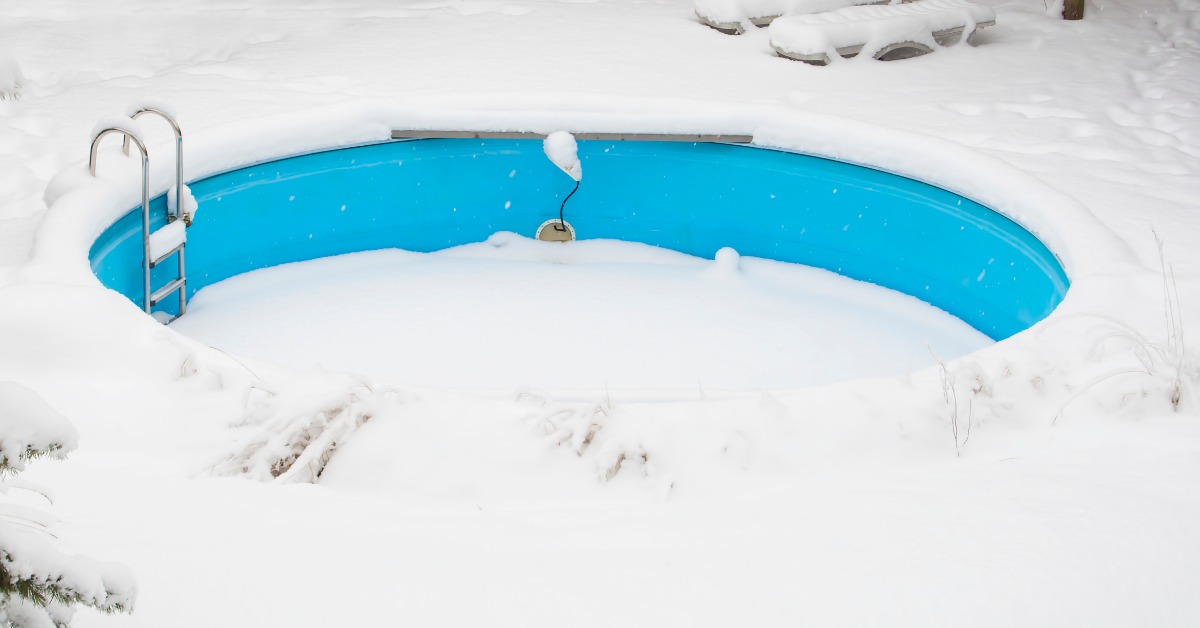
Small equipment problems often become more noticeable when colder temperatures place additional demands on pool systems. A leaking connection or deteriorating seal may create complications during freezing weather. Homeowners who delay routine inspections until spring risk encountering problems when repairs become more urgent.
An equipment inspection should focus on visible leaks, unusual operating sounds, and signs of wear. Homeowners can observe normal system performance without attempting unfamiliar mechanical adjustments. Any electrical concerns or suspected internal damage warrant professional attention.
Pool heaters also deserve consideration during seasonal inspections. Homeowners who use heated pools during winter should confirm that their systems operate according to manufacturer recommendations. Addressing maintenance concerns before temperatures decline provides greater flexibility when scheduling repairs.
Treating Winterization Like Complete Pool Closure
Homeowners sometimes associate winter pool care with completely shutting down swimming pools for several months. While full seasonal closures make sense in many colder climates, North Texas homeowners often maintain operational pools throughout winter. The distinction matters because winterization should reflect regional conditions and individual equipment requirements.
Proper winter preparation focuses on protecting vulnerable components while maintaining suitable water conditions. Homeowners should understand how their pool’s circulation system responds to freezing temperatures and what additional precautions severe weather may require.
Extended freezes or power outages can demand different procedures than ordinary winter maintenance. In certain situations, qualified professionals may recommend draining specific equipment components according to manufacturer instructions. Homeowners should avoid improvising these procedures because improper draining can create additional problems.
Protect Your Pool With Professional Winter Maintenance
Avoiding winter pool care mistakes Texas homeowners make requires consistent attention to changing temperatures and equipment performance. Regular maintenance throughout the colder months can reduce damage while keeping pools prepared for seasonal weather changes.
At Pulliam Pools, we understand the unique maintenance challenges that Fort Worth-area homeowners face during Texas winters. Our experienced team provides professional pool maintenance and repair services, including assistance with winter preparation. Contact us today to discuss your pool’s seasonal maintenance needs and keep your equipment operating properly throughout winter.