
What Makes Freeform Pools Ideal for Uneven Landscapes
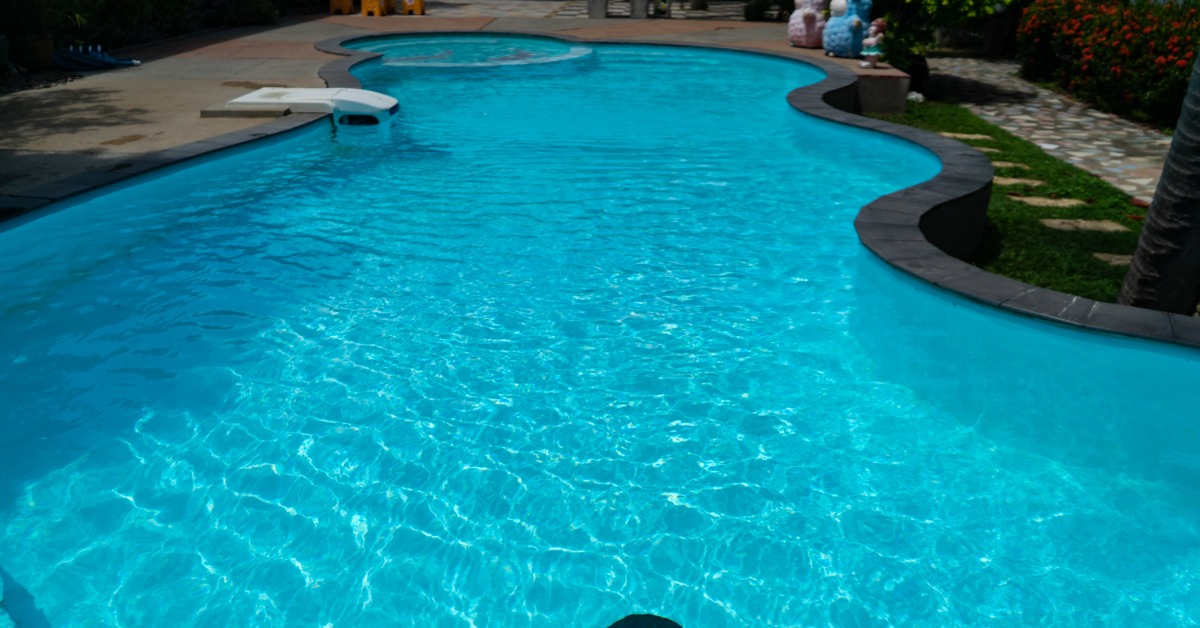
Backyards rarely come in perfect shapes. Many homeowners deal with sloped yards, uneven grading, rocky terrain, or awkward elevations that limit traditional outdoor designs. Freeform pools give homeowners more flexibility because the design adapts to the property.
The organic shape of a freeform pool works naturally with changing elevations and irregular lot lines. Curved edges soften the appearance of slopes while creating a more relaxed outdoor setting. Homeowners often choose this pool style because it blends with the landscape and allows for more creative use of available space.
Freeform pools are ideal for uneven landscapes because of their adaptability, visual balance, and design freedom. These pools create opportunities where rectangular layouts may struggle.
Curved Designs Adapt to Irregular Yard Shapes
Uneven landscapes include corners, grade changes, retaining walls, or narrow sections that create challenges during pool construction. A freeform pool design accommodates those features without forcing major changes to the property.
Curved layouts allow designers to shift the pool footprint around elevation changes or existing outdoor structures. Instead of cutting aggressively into the terrain, builders can shape the pool around natural contours. That flexibility often reduces disruption across the yard.
Freeform pool builders frequently recommend organic layouts for properties with unusual dimensions because the curves create smoother transitions between the pool, patio, and surrounding landscape. The finished design feels intentional rather than constrained by the lot. Homeowners also gain more freedom when adding outdoor living elements; seating areas, fire features, and outdoor kitchens fit more naturally around curved pool edges than around rigid geometric lines.
Freeform Pools Create Better Visual Flow on Sloped Properties
A sloped backyard can feel disconnected when outdoor features compete against the terrain. Straight lines may emphasize uneven grading and make the elevation changes appear harsher. Freeform pools soften those transitions through natural movement and flowing contours.
Curves draw the eye gradually across the yard, creating a more cohesive appearance between the pool and surrounding environment. Instead of focusing on steep grading or elevation shifts, the design encourages attention toward the overall outdoor experience.
Natural-looking edges also complement landscaping more effectively. Boulders, tropical plants, decorative grasses, and raised garden beds blend seamlessly beside a freeform pool shape. The result often resembles a resort-style retreat instead of a heavily engineered backyard.
Flexible Layouts Reduce the Need for Major Excavation
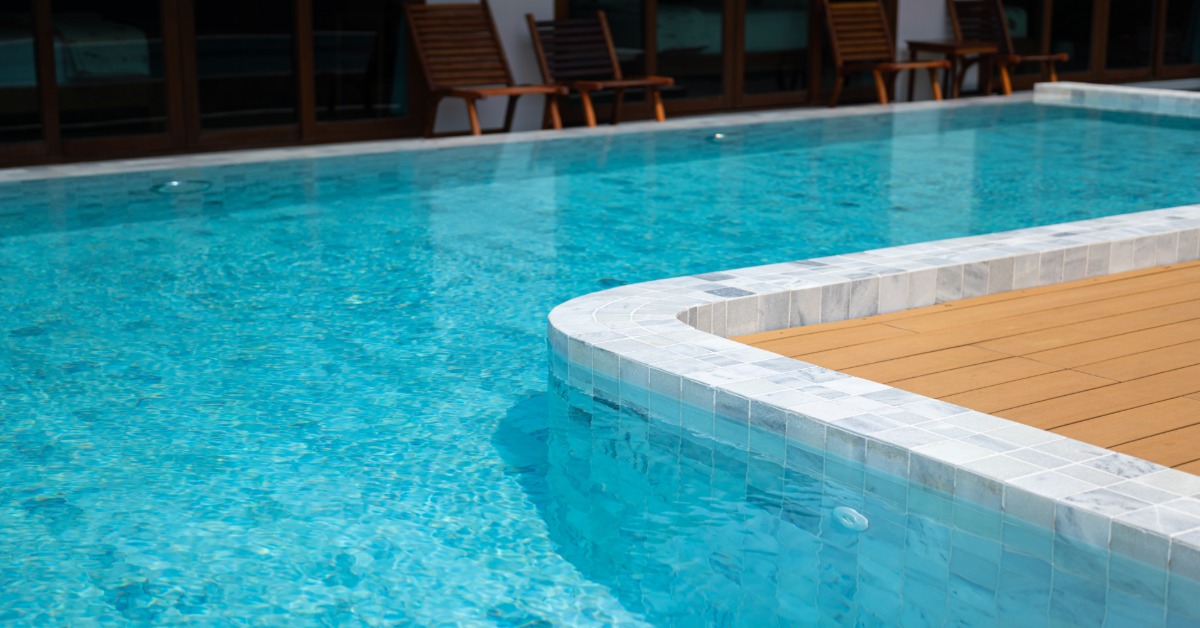
Excavation costs can rise quickly when working with uneven terrain. Steep slopes and difficult grading sometimes require extensive soil removal or retaining wall construction before pool installation begins. Freeform pools often reduce those demands because the design adjusts more easily to existing conditions.
Rather than forcing a perfectly symmetrical excavation area, builders can follow the natural flow of the landscape. That flexibility may minimize disruption and preserve more of the original yard layout.
Every property differs, so excavation needs will still vary based on the slope severity and soil conditions. Even so, freeform pool layouts provide more flexibility than geometric designs during site planning.
Organic Shapes Support More Creative Elevation Features
Uneven landscapes create opportunities for dramatic pool features that flatter properties cannot offer. Freeform pools complement those elevation changes by incorporating natural transitions into the overall design.
Waterfalls remain one of the most popular additions for sloped backyards. Elevated sections of the yard provide ideal placement for cascading water features that flow directly into the pool. The curved shape of a freeform design strengthens that natural appearance.
Infinity edges also work well on certain elevated properties. When positioned correctly, the visual effect draws attention outward while highlighting scenic views beyond the yard.
Additional elevation-focused features may include:
- Raised spas connected through spillways
- Tiered decking areas
- Sun shelves built into varying grades
- Rock grottos integrated into slopes
- Multi-level patio spaces
These features often feel more cohesive within freeform pool layouts because the overall design already emphasizes movement and organic flow.
Natural Pool Shapes Blend Better With Existing Landscaping
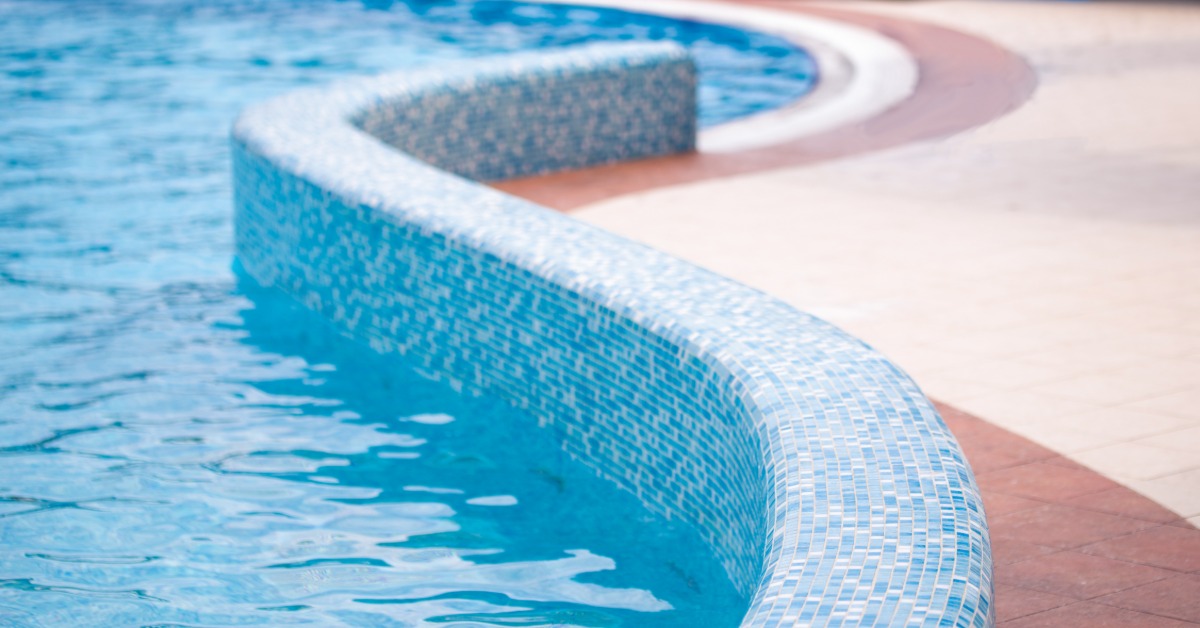
Landscaping becomes especially important on uneven terrain because plants, stonework, and grading influence how the entire backyard feels. Freeform pools create a softer transition between the built environment and the surrounding greenery.
Geometric pools often establish strong visual borders that separate the pool area from the landscape. Freeform designs reduce that contrast. Curved edges mimic shapes commonly found in nature, which allows surrounding landscaping to feel more connected to the pool itself.
This compatibility opens up more design possibilities for homeowners who want a natural backyard aesthetic. Native plants, decorative stone, and layered landscaping fit comfortably around organic pool contours.
Freeform Pools Maximize Usable Space in Difficult Areas
Uneven landscapes sometimes leave homeowners feeling limited by awkward yard sections. Sharp slopes, curved property lines, or elevation drops can make certain areas seem unusable. Freeform pools often reclaim those spaces more effectively than rigid pool layouts.
Because the freeform design remains customizable, builders can position curves and features strategically around difficult sections of the property. Smaller alcoves may become seating areas or tanning ledges, while narrow spaces may support winding deck paths or landscape features that connect separate sections of the yard.
This flexibility becomes valuable for homeowners who want to preserve lawn areas or maintain space for outdoor entertaining. A custom layout allows the pool to complement the yard rather than dominate it. The adaptability of freeform pools also supports long-term functionality. Families can create spaces that feel inviting while still accommodating traffic flow, seating arrangements, and outdoor activities.
Custom Designs Increase Long-Term Backyard Appeal
A thoughtfully designed pool often becomes the focal point of the backyard. On uneven terrain, that visual impact matters even more because the pool can transform challenging land into a highly functional outdoor destination.
Freeform pools are ideal for uneven landscapes because they provide a timeless appearance that adapts well to changing landscaping trends and outdoor upgrades. Their softer lines create a relaxed atmosphere that many homeowners continue to value over time. Custom designs also contribute to curb appeal and property value, as buyers appreciate outdoor spaces that feel professionally integrated into the lot.
At Pulliam Pools, we design custom freeform pools that work with the natural layout of a property while creating inviting outdoor spaces built for Texas living. Our team brings decades of experience to pool construction, renovations, and outdoor living projects throughout Fort Worth and the surrounding DFW communities.