Common Pool Equipment Problems and How Pros Fix Them

Your pool relies on a network of equipment to keep the water clean, clear, and safe. When one component fails, the entire system can struggle to perform. Fortunately, many pool owners often notice warning signs before a complete breakdown occurs.
Understanding the most common equipment problems helps you act quickly and protect your investment. Professional technicians diagnose issues accurately and restore performance through targeted pool equipment repairs that address root causes rather than surface symptoms. Let’s explore some common pool equipment problems and how pros fix them.
Pool Pumps Lose Prime and Circulation Slows
A pool pump drives water through the filtration system, which means circulation problems demand immediate attention. When a pump loses prime, water stops moving efficiently and air enters the system. You may notice weak return jets, air bubbles in the pump basket, or fluctuating pressure.
Professionals begin by inspecting the pump lid O-ring, drain plugs, and suction-side plumbing for leaks, as even a small air gap can disrupt flow. Technicians also check water levels in the pool to make sure the skimmer does not draw in air.
If seals or gaskets show wear, pros replace them and reseal the fittings properly. When internal pump components fail, technicians rebuild or replace the motor to restore consistent performance and protect the rest of the system.

Pool Filters Clog and Reduce Water Clarity
Cloudy water often signals a filtration problem. Over time, debris, oils, and fine particles accumulate inside cartridge, sand, or DE filters. As pressure rises, water struggles to pass through the media effectively.
Professionals first check the pressure gauge to confirm restricted flow. They then clean or backwash the filter according to its type. Cartridge filters require thorough rinsing and periodic replacement, while sand and DE filters may need fresh media.
If internal components crack or grids tear, technicians install new parts to maintain proper filtration. Consistent service keeps water clear and extends the life of your equipment. Prompt attention also prevents strain on pumps and heaters.
Pool Heaters Fail To Maintain Consistent Temperature
Few things frustrate pool owners more than a heater that will not warm the water. Gas and electric heaters rely on sensors, ignition systems, and proper water flow to operate efficiently. When any of these elements malfunction, temperature control becomes unreliable.
Technicians begin diagnostics by verifying water flow and checking for error codes. Low flow from a dirty filter or failing pump often prevents the heater from firing. Pros also inspect burners, heat exchangers, and electrical connections for corrosion or buildup.
If scale coats internal components, professionals clean them carefully to restore efficiency. In some cases, replacing a faulty thermostat, pressure switch, or ignition control resolves the issue quickly.
Pool Automation Systems Stop Communicating Properly
Modern pools often include automation panels that control lighting, heating, pumps, and water features. When automation fails, homeowners lose convenient access to their pool system settings. You might notice unresponsive controls or features that activate unexpectedly.
Professionals evaluate power supply connections and inspect wiring for corrosion or damage. They also update firmware and reset control panels to eliminate software glitches. Interference from moisture or pests can also affect communication between components.
If circuit boards fail, technicians replace them with compatible parts. Restoring automation ensures reliable control and enhances your overall backyard experience.
Pool Lights Flicker or Stop Working
Pool lighting improves safety and creates ambience, especially in custom backyard environments. When lights flicker or shut off entirely, electrical components often require inspection.
Technicians first shut off power and check breakers and GFCI outlets, as faulty transformers or worn wiring frequently cause interruptions. In older systems, water intrusion inside the light niche may lead to corrosion.
Pros replace damaged fixtures and ensure proper sealing to prevent future issues. Upgrading to energy-efficient LED lights can also improve brightness and reduce long-term maintenance needs.
Pool Leaks Develop in Plumbing and Equipment Pads
Hidden leaks waste water and damage surrounding pool areas. Homeowners may notice declining water levels, soggy soil near the equipment pad, or unusually high water bills.
Professionals perform systematic pressure testing to locate plumbing leaks. They inspect valves, fittings, and underground lines for cracks. On equipment pads, loose connections and aging seals often cause drips that worsen over time.
Technicians repair or replace compromised pipes and reseal joints to restore integrity. Addressing leaks early protects structural elements and prevents the need for more extensive repairs.
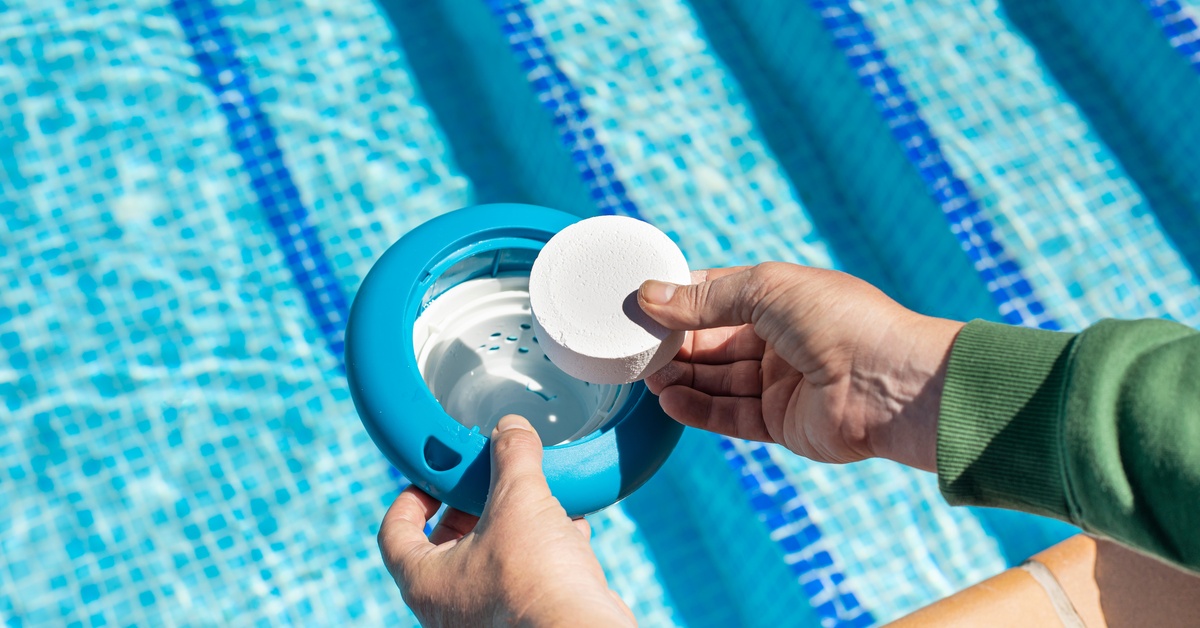
Salt Systems and Chlorinators Stop Producing Sanitizer
Salt chlorine generators and tablet chlorinators play a key role in water sanitation. When sanitizer levels drop, algae growth and cloudy water can develop quickly.
Technicians check salt levels, clean cell plates, and inspect sensors for buildup. Calcium scaling frequently interferes with proper chlorine production, so pros also confirm that water chemistry remains balanced.
If the cell reaches the end of its lifespan, professionals install a replacement unit sized appropriately for the pool. Maintaining sanitation equipment leads to consistent water quality and swimmer safety.
Proactive Maintenance Prevents Major Equipment Failures
Many pool equipment issues begin as minor problems, and routine inspections allow technicians to identify wear before it leads to breakdowns. Scheduled maintenance service protects pumps, filters, heaters, and automation systems from unnecessary strain.
Experienced professionals follow a structured maintenance approach that includes:
- Inspecting equipment for visible wear
- Testing system pressure and flow rates
- Evaluating electrical connections
- Confirming balanced water chemistry
- Cleaning critical components
This proactive care extends equipment life and reduces the need for emergency repairs.
Professional Diagnosis Protects Your Investment
Pool systems operate as interconnected components. A clogged filter can damage a pump, and low water flow can shut down a heater. Attempting quick fixes without proper knowledge often creates additional complications.
Professional technicians rely on training and experience to pinpoint root causes of pool equipment issues. They understand how each piece of equipment functions within the larger system, which ensures efficient, accurate repairs. Reliable equipment keeps your backyard environment comfortable, inviting, and ready for enjoyment.
Keep Your Pool Equipment Performing at Its Best
Having the pros fix common pool equipment problems protects water quality, energy efficiency, and overall safety. Whether you notice weak water circulation, inconsistent heating, or cloudy water, timely service makes a difference.
Pulliam Pools provides comprehensive support for in-ground pools across the western DFW metroplex. Our experienced technicians diagnose equipment issues accurately and deliver dependable pool equipment repair solutions tailored to your system. If your pool equipment shows signs of trouble, contact Pulliam Pools today to schedule professional service and keep your backyard space enjoyable.